Brand Architecture: What It Is & How to Choose the Right Model
eCommerce is what we do. From Shopify to WooCommerce builds to full Plus migrations, we design stores built to sell.
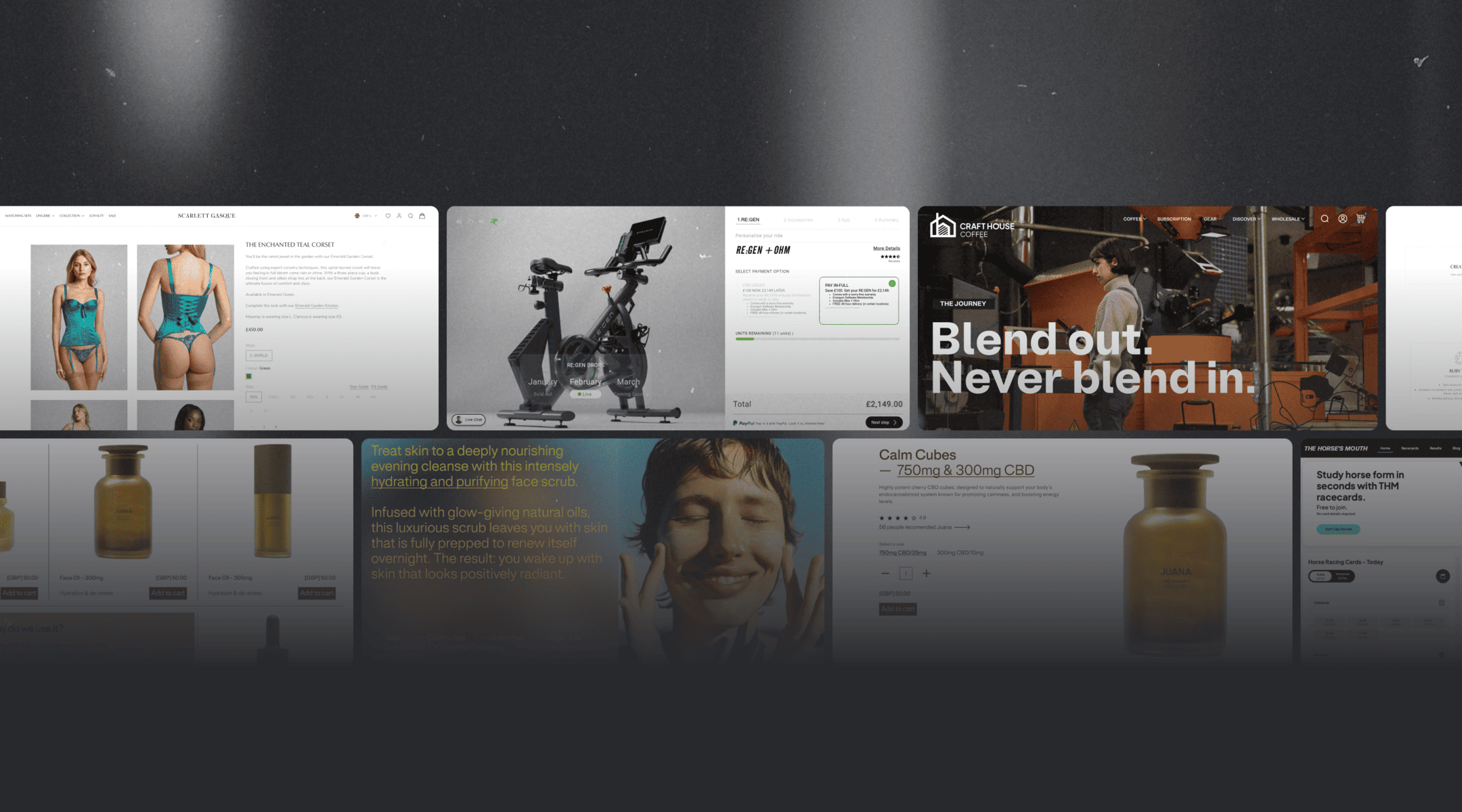
Your products deserve more than a generic store template. At Create8, eCommerce is what we do, bespoke Shopify and Shopify Plus builds make up the majority of our work, so it's a space we know inside out.
When twinned with one of our branding and marketing campaigns, they tick every box needed to make your business a success.

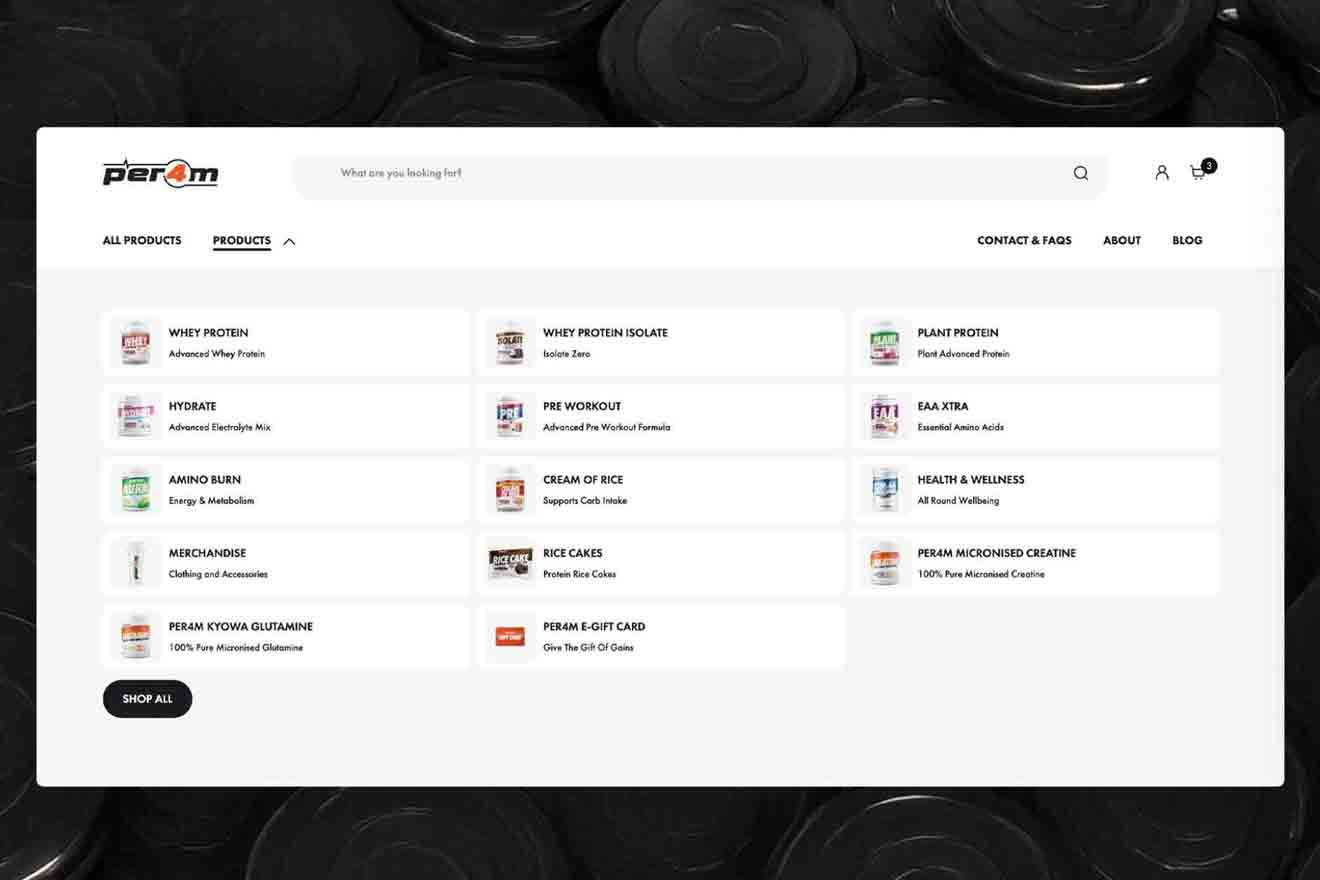
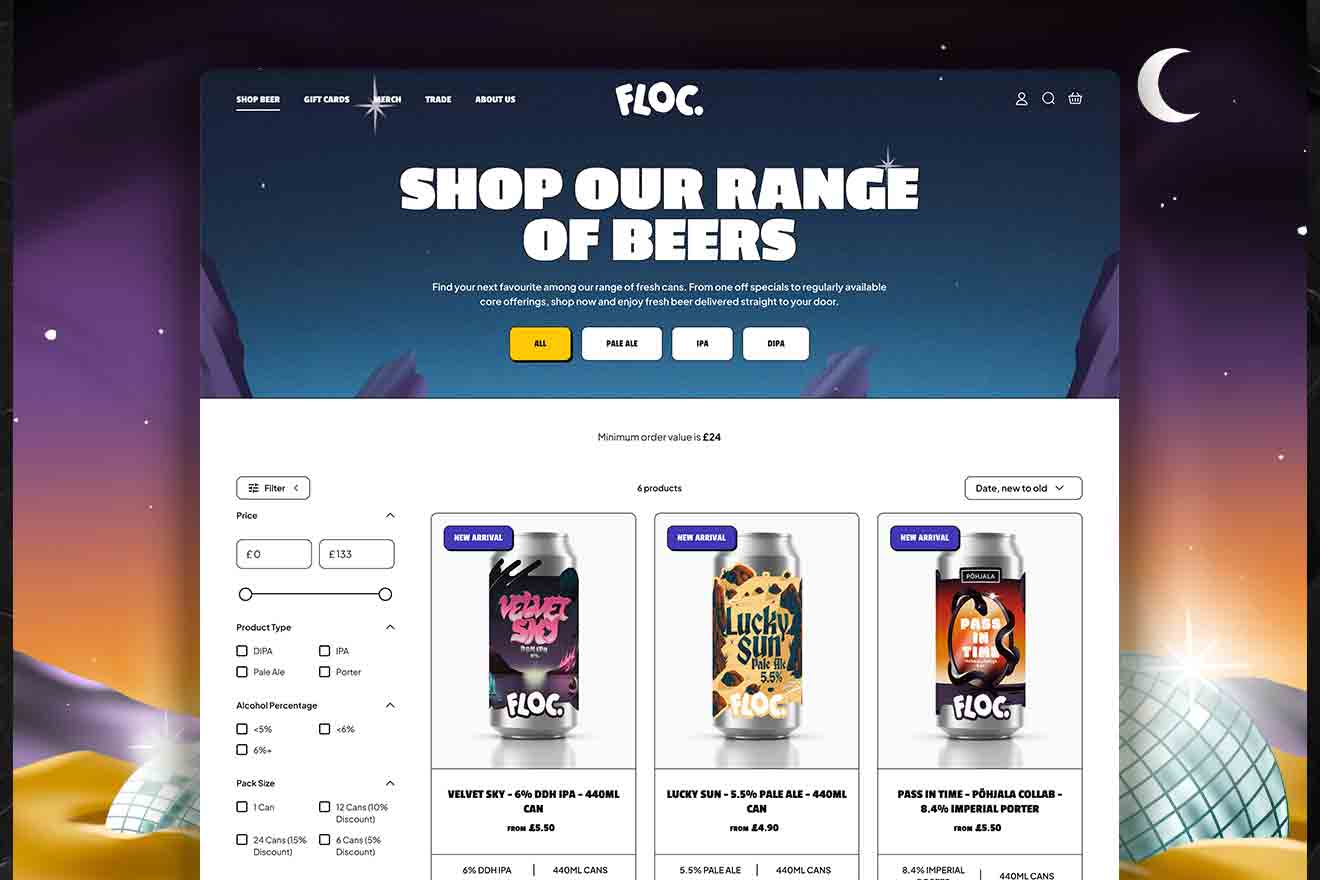
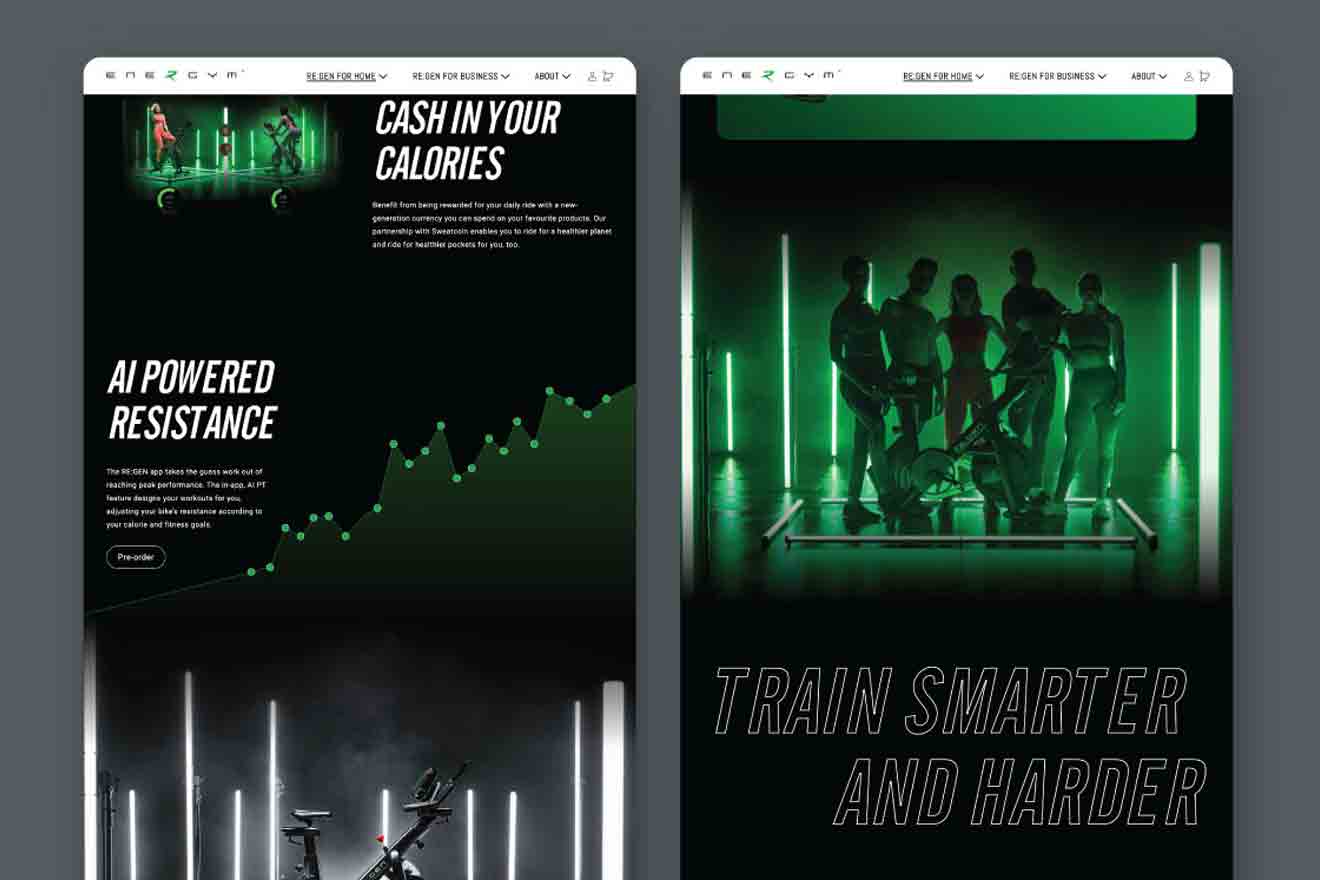
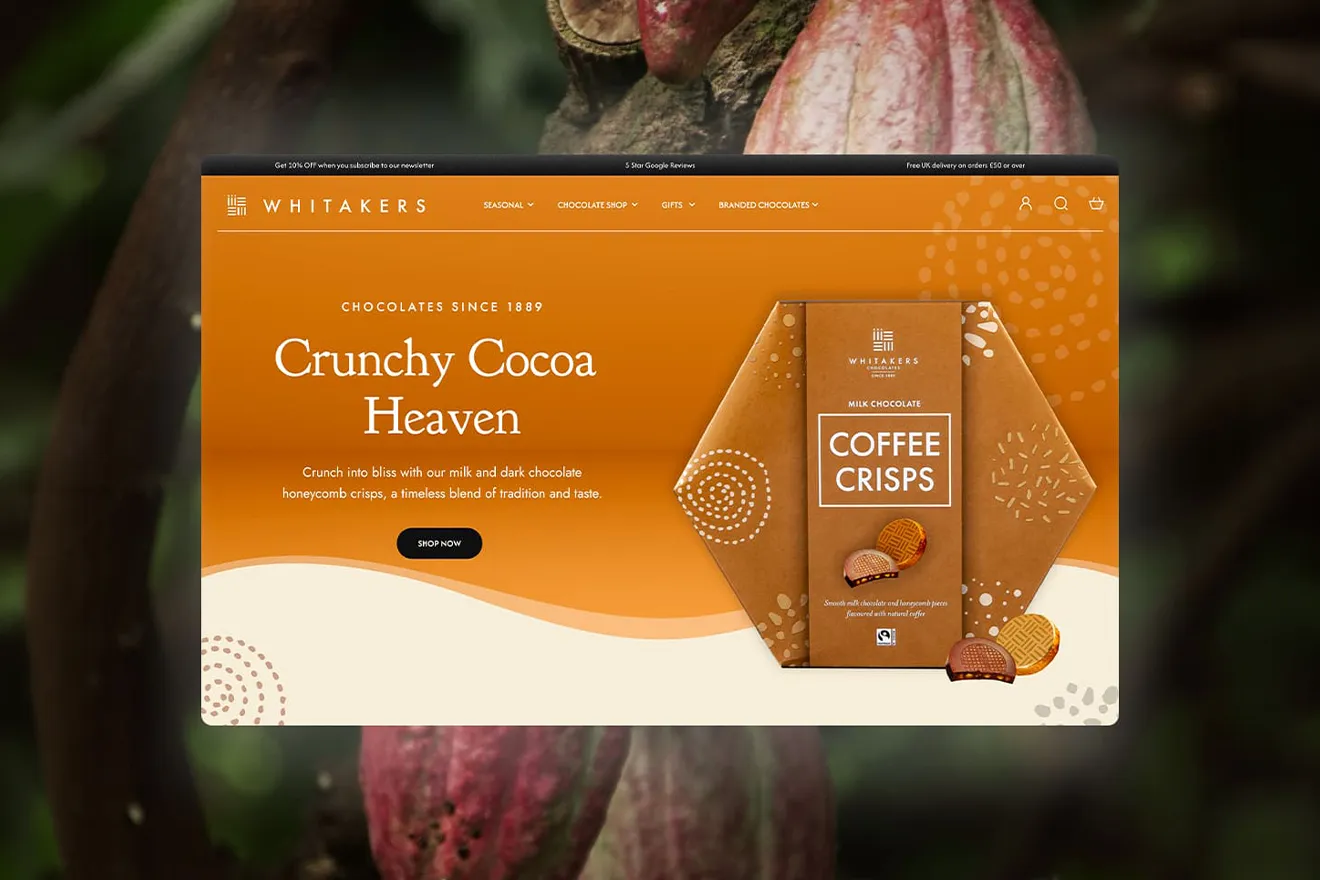
Every business has its own goals, challenges and way of operating, which is why every eCommerce website we build is tailored around your requirements. We develop bespoke functionality that not only enhances the customer experience but also supports your day to day operations, helping you sell more while saving time behind the scenes.
Turn one-off customers into repeat customers with subscription functionality. Whether you sell coffee, supplements, pet food or beauty products, we can build flexible subscription options that encourage recurring revenue while making life easier for your customers.
Increase your average order value by allowing customers to purchase complementary products together. From mix and match bundles to fixed product packs, bundle functionality is a great way to boost sales while offering better value.
Recommend relevant products at the perfect time. Whether it’s on the product page, in the basket or during checkout, carefully placed upsells and cross-sells can increase order values without disrupting the customer journey.
Allow customers to make products their own with custom text, image uploads, colour choices or bespoke configuration tools. Perfect for personalised gifts, clothing, print products and made-to-order items.
Reward repeat customers with points, exclusive discounts and member benefits. Loyalty programmes encourage repeat purchases while helping build stronger relationships with your customers.
Build trust with authentic customer reviews, ratings and photo uploads. Reviews give shoppers confidence before purchasing and can significantly improve conversion rates.
Let customers save products they’re interested in and return later to complete their purchase. Wishlists improve the shopping experience while encouraging future sales.
Help customers find exactly what they’re looking for with intelligent filtering and search. Allow visitors to filter by size, colour, brand, price, material or any custom product attribute.
Never lose a customer because an item is out of stock. Visitors can register their interest and automatically receive an email when products become available again.
Expand into new markets with multiple currencies, languages and region specific content. Create a seamless shopping experience for customers wherever they’re located.
Create dedicated wholesale experiences with custom pricing, restricted products, minimum order quantities and trade-only account access for your B2B customers.
Perfect for businesses selling appointments, services, classes or events alongside physical products. Customers can book directly through your website while availability is managed automatically.
Click and collect, next-day delivery, local courier zones or international shipping tiers, we configure shipping and fulfilment settings (or integrate third-party logistics apps) around how you actually deliver.
For businesses that need more control, we build custom rules, upsells and validations directly into checkout, tailored to how your business actually sells, not just the platform’s defaults.
We connect your store to your inventory, warehouse or ERP systems, so stock levels stay accurate across every channel, no overselling, no manual updates.
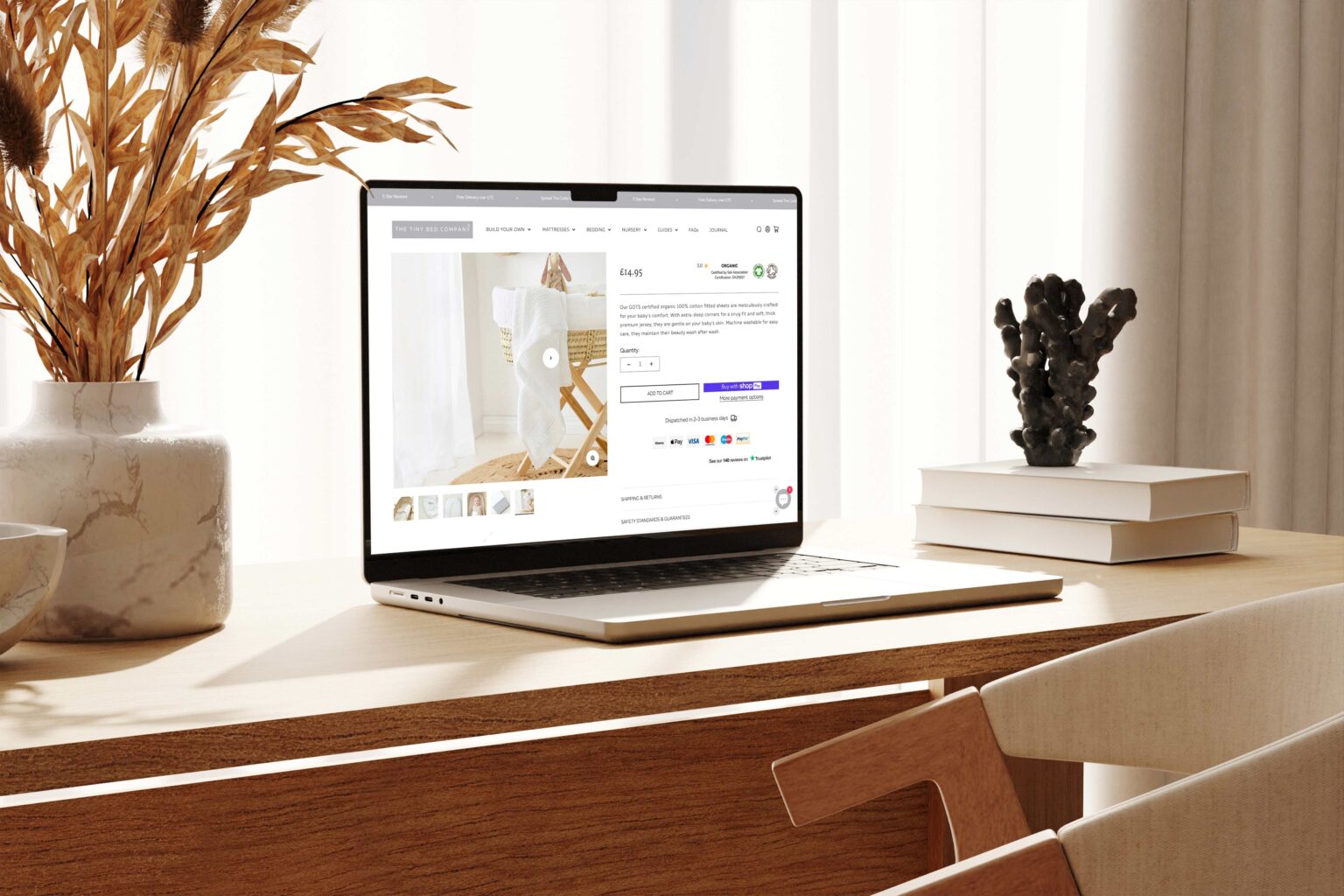
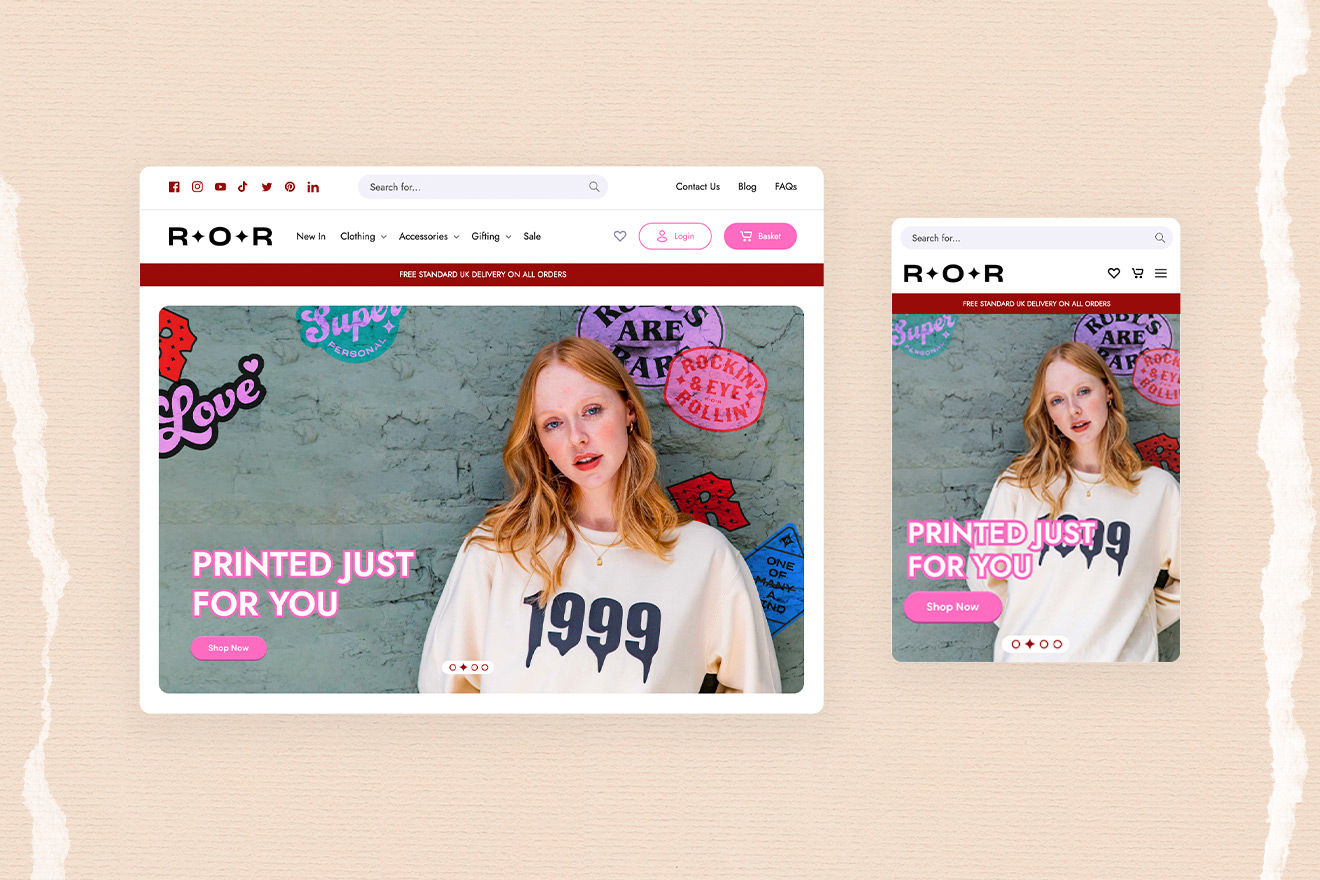
From deciding which platform to use to build your website, to how much functionality it will need. All these decisions need to be made with the future of your company in mind. If your business doubles in size in the next year we would want our eCommerce website design to be able to cater for that growth. A rebuild can be expensive and unnecessary if the job is planned perfectly the first time around.
Every job we take on is entirely bespoke, we want your business to achieve success because of the work and hours we put into your website. If every website looked the same, the battle for sales would be even more difficult than it already is.
Below we have broken down the workflow so that all of our clients fully understand how the process works.




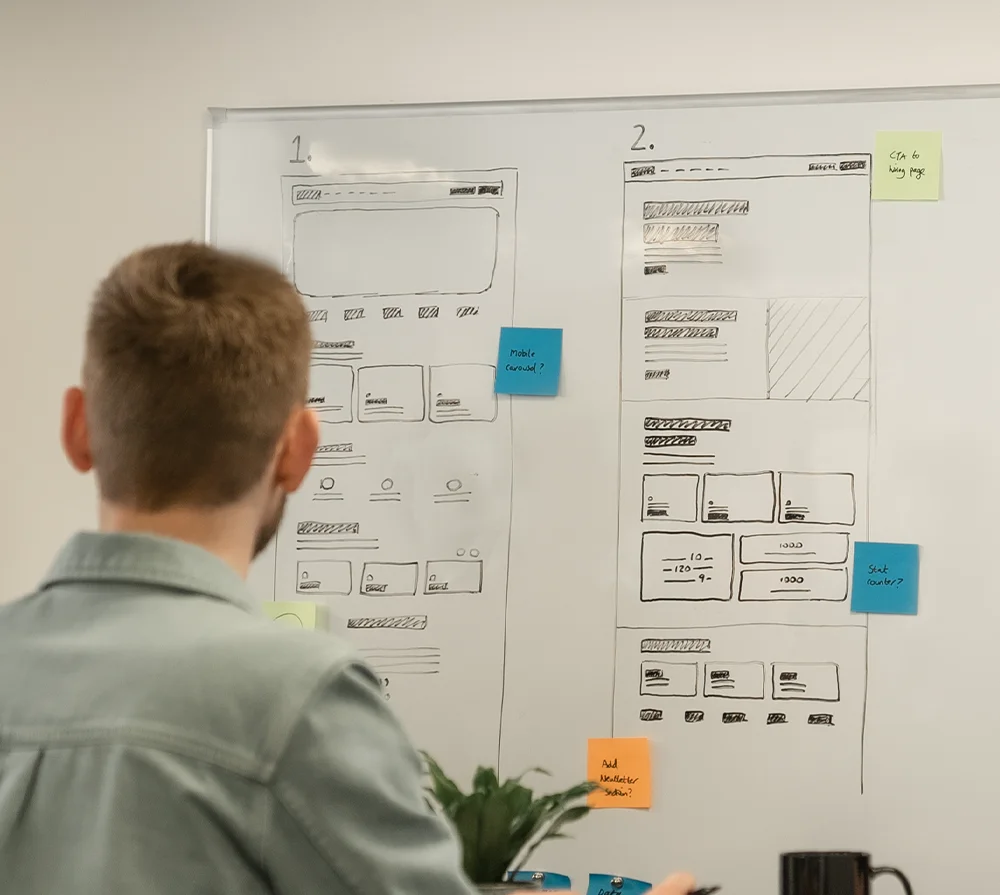




Before anything is designed or built, we map the full scope of your Shopify project. We define the architecture of your store, agree on deliverables, and make sure every expectation is aligned, so nothing gets missed when it matters most.
We dig into your market, your competitors, and your customers. Data analysis, competitor benchmarking, user research, and audience profiling all feed into a clear picture of what your Shopify store needs to do and what it needs to do better than everyone else.
Your full Create8 project team joins you in a dedicated discovery session. We walk through our research findings, share our strategic recommendations for your Shopify build, and ask every question that needs answering before design begins. This is where the project gets its direction.
For eCommerce stores with existing data, this stage is critical. We audit your customer data, order history, product catalogue, and platform architecture — whether you’re migrating from Magento, WooCommerce, PrestaShop or another platform. We define exactly how data moves to Shopify, what gets cleaned, and how third-party integrations are structured before a single line of code is written.
Function comes before form. We map out the full user journey across your Shopify store — focussing on conversion rate optimisation, intuitive navigation, and removing every point of friction between landing and checkout. Wireframes are reviewed and signed off before we move to visual design.
We gather everything the build needs — copy, imagery, video, product data, brand assets. Getting this stage right means no delays, no placeholder text going live, and no last-minute scrambles before launch. We guide you through exactly what’s needed and when.
With UX locked in, we build the full UI. Every screen, every component, every interaction — designed to reflect your brand and optimised for eCommerce performance. You see it, review it, and sign it off before development starts.
Our Shopify developers build your bespoke store against the approved design, implementing all required app integrations, custom functionality, and initial data migration for testing. Whether it’s Klaviyo, Yotpo, ReCharge, or a custom API integration, everything is built and tested in parallel.
With the build in place, we execute the full data migration, products, collections, customer records, order history and validate everything against your source platform. Clean data in, clean store out.
Full QA across every aspect of the project. Development, design, migration data, SEO, integrations, speed, mobile responsiveness, checkout flows, everything is tested against a structured checklist before we give the green light to launch.
We manage the launch phase and continue testing after go-live. Once your Shopify store is live, we don’t disappear, we monitor performance, fix anything that needs fixing, and start identifying the next opportunities for conversion growth and revenue improvement.
There's no single "best" platform, the right choice depends on your business, your budget, and how much control you want over the back end. Here's how they actually differ.
Shopify is a fully hosted platform, everything from servers to security to updates is handled for you. That means less to manage day-to-day, predictable performance, and a platform built specifically for selling.
It comes with a monthly subscription, and most extra functionality is added through its app ecosystem. It's the stronger choice if you want a store that just works, scales easily, and doesn't need constant technical maintenance, especially once you move into Shopify Plus, which adds enterprise-level checkout control, automation and B2B tools.
WooCommerce is a plugin that turns WordPress into an online store. Because it's open-source, you get more flexibility and control over exactly how the site is built, but that flexibility comes with more responsibility.
Hosting, security, updates and backups are down to you (or your agency), and functionality is built up through plugins rather than a single unified system. It's a strong choice if your business needs a highly bespoke setup, already runs on WordPress, or wants full ownership of the codebase.








Yes! At Create8, we understand that sometimes you will need to give your existing website a facelift, and we are all for it. As a group of forward-thinking creatives, we love a challenge, and a website rebuild is no different! Missing out on potential sales is the difference between success and failure. Therefore we will do all we can to get you into that success bracket.
Websites are so varied that putting a specific time frame on creation is virtually impossible. An eCommerce website with over 1000 products is going to take longer than a ten product website. We will be able to give you a much more accurate time frame once we have thoroughly explored and understood your business and its needs.
An eCommerce website is dependent on its maintenance. If something that works in the background becomes outdated, it can hamper the productivity of the website itself. At Create8, we offer various packages relating to support and maintenance, so it depends on what package you choose. But one thing is for sure, we want to see that brilliant eCommerce site working at its full potential all year round.
As an agency, we have provided our clients with websites built across several different eCommerce platforms. Due to our level of expertise, we find an honesty and open-minded approach is always best when assessing what will work for you. Factors such as audience, product and budget can all dictate which of the platforms will be the most productive. Or maybe a bespoke solution will provide you with the sales your products deserve.
As online spending continues to peak as too, of course, does the need for an eCommerce website. eCommerce sites are optimised to sell products and goods. In comparison, a traditional website is suitable for displaying information but not for selling tangible goods. The term eCommerce is reasonably flexible as there are plenty of varying options for how you can set up your website. As long as it takes payments for your products, it’s eCommerce.
Online sales now make up over 30% of all UK retail spending, worth well over £127 billion a year. If you’re selling products, your website needs to work as hard as you do and that means proper eCommerce functionality, not an afterthought.