Every time someone interacts with a brand, whether it’s scrolling through a website, opening a carefully crafted email, or picking up a product in a shop, that moment leaves an impression. These moments are what we call brand touchpoints – the points of connection where people experience your brand, often without even realising it.
Understanding and managing these touchpoints is essential for businesses, especially in a crowded market. The little details, like the tone of a social post, the feel of packaging, the way staff greet customers, build trust and set your brand apart.
At its core, a touchpoint is an opportunity to communicate who you are, what you stand for, and why people should care. They create consistent, memorable experiences, but if they’re done poorly, they can confuse, frustrate, and even drive people away.
In this guide, we’ll break down what brand touchpoints are, why they matter, and how businesses can make every interaction count. Whether you’re redesigning your visual identity, rethinking customer service, or simply trying to get a clearer picture of how people experience your brand, understanding touchpoints is where it all begins.
Why brand touchpoints matter
Every interaction with your brand shapes how people see you. A single touchpoint (such as visiting your website, reading a marketing email, or going to your store) can leave a lasting impression, building trust and loyalty. Inconsistent or sloppy interactions, however, can quickly erode confidence.
Think of your brand as a story being told across multiple moments. Each touchpoint adds a new chapter, whether people notice it or not. Over time, these moments combine to create a bigger picture: one that can either attract people in or push them away.
This is why touchpoints are so important. Don’t think of them as isolated interactions, use them as opportunities to show who you are and create memorable experiences that keep customers coming back and make them want to share their experience with others.

The different types of brand touchpoints
Brand touchpoints appear in many forms, and understanding each one can help you be consistent. Here’s a closer look at the main types:
1. Digital touchpoints
These include your website, social media channels, email campaigns, apps, and online advertising. Digital touchpoints often form the first impression people have of your brand. A well-designed website, clear messaging, and easy navigation can build trust, while slow loading times, confusing layouts, or inconsistent visuals can turn people away before they even engage.
2. Physical touchpoints
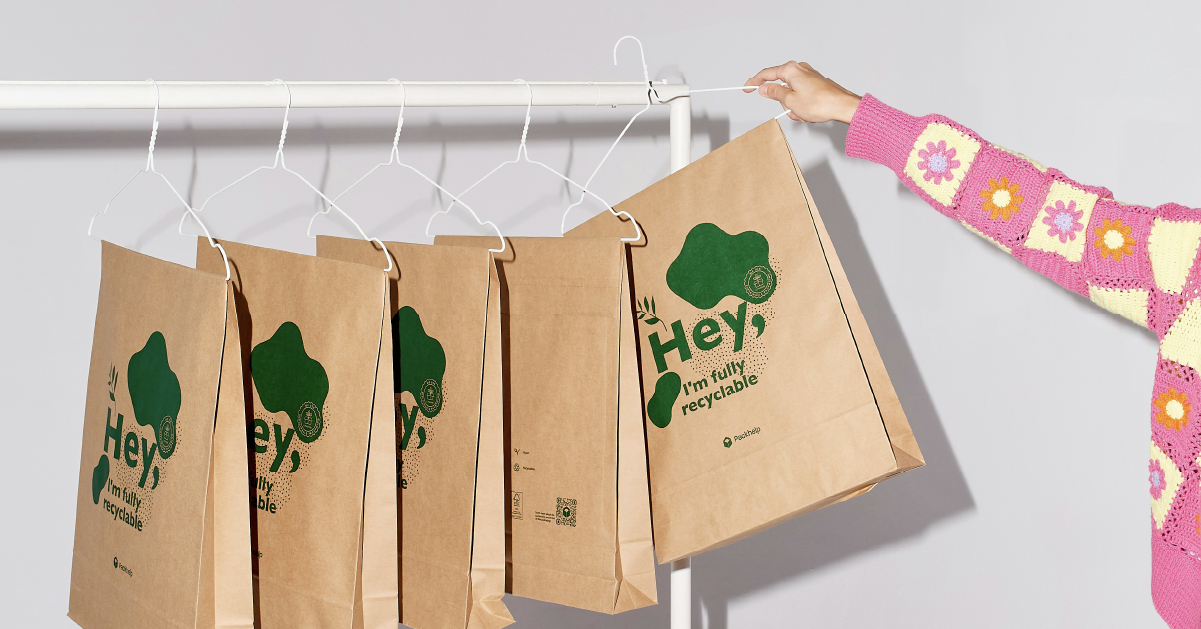
Anything tangible that people interact with counts here – product packaging, brochures, shop interiors, signage, and even business cards. Physical touchpoints create a sensory experience that reinforces your brand identity. For example, premium materials, thoughtful design, and attention to detail signal quality and care, while sloppy or generic execution can feel forgettable or cheap.
3. Human touchpoints
These are the moments people interact with your staff, whether in person, on the phone, or via live chat. Human touchpoints carry enormous weight because they give your brand a personality. Friendly, knowledgeable, and helpful staff leave a positive impression that can turn a one-time customer into a loyal advocate. Poor customer service, on the other hand, can undo the best-designed campaigns or products.
4. Communication touchpoints
Advertising campaigns, PR stories, blog posts, press releases, and events all fall into this category. Communication touchpoints are about storytelling to convey your values, voice, and purpose. Consistent messaging across channels strengthens recognition and trust. Conflicting messages, however, can create confusion and weaken brand credibility.
By breaking down touchpoints into these categories, it becomes easier to see where your brand is excelling and where there’s room for improvement. Every interaction is a chance to reinforce your brand identity.
Mapping your brand touchpoints
Before you can improve your brand touchpoints, you need to map them out to see how they’re currently working. To do this, start by looking at the customer journey from start to finish – the first moment someone hears about you, all the way through to post-purchase follow-ups and beyond.
It helps to break this down visually. List every touchpoint, no matter how small, and consider the impact each one has. Are people encountering a confusing website? Does your packaging reinforce your brand values? Are staff consistently delivering the right tone and message? By plotting everything in one place, patterns emerge. You can see which touchpoints delight customers, which fall short, and where the journey might feel disjointed.
Mapping isn’t a one-time task. Customer behaviour, market trends, and business priorities evolve, so revisiting and updating your touchpoint map keeps your brand experience relevant, consistent, and effective. It’s the foundation for making intentional, confident decisions about every interaction your brand offers.

How do brand touchpoints influence customer experience?
Every touchpoint plays a role in shaping how people perceive your brand, often in ways they don’t consciously notice. One of the most powerful outcomes of well-managed touchpoints is brand recognition – the ability for people to identify your brand instantly, even in unexpected circumstances.
Think of the classic Coca-Cola bottle. Its shape is so iconic that it can be recognised in the dark, or even when broken on the ground. That level of recognition doesn’t happen by accident; it’s the result of decades of consistent design, messaging, and customer experience. Similarly, the distinctive swoosh of the Nike logo, or the Starbucks green all create instant mental shortcuts in consumers’ minds.
When people can quickly identify your brand, it builds trust, reduces friction in decision-making, and often nudges them to choose you over competitors. The more your touchpoints reinforce a consistent, recognisable identity – from packaging to advertising to service – the more likely your brand will be top of mind. And being top of mind translates into bigger market share, stronger loyalty, and more advocacy. Simply put, every consistent interaction increases the chances that people will remember, prefer, and return to your brand.
Optimising your brand touchpoints
Follow these steps to optimise your brand touchpoints and create more moments that stick.
Step 1: Spot the “aha” moments
Look for the points where people really notice your brand. Maybe it’s the unboxing experience when they receive products they’ve ordered, a witty reply on social media, or the calm reassurance of a helpful phone call. These moments are your brand’s chance to shine. Once you know where they happen, you can make them deliberately memorable.
Step 2: Speak with one voice
Instead of forcing uniformity, think about rhythm and flow. Your logo, colours, tone, and messaging should feel like the same person speaking across different channels. People should recognise your brand without even trying.
3. Treat details like secret weapons
Little things matter more than you think. A handwritten note in a package, a clever tagline, or a staff member who remembers a returning customer can transform ordinary interactions into lasting impressions. These tiny touches stack up, creating a sense that your brand cares.
4. Surprise, but don’t confuse
Personalisation is powerful, but it has to feel natural. Tailoring content, suggestions, or messages for individuals can delight people – but overdo it or do it clumsily, and it backfires. The trick is to make the interaction feel thoughtful, not invasive.
5. Learn, tweak, repeat
Optimisation is never finished. Keep an eye on how people respond, experiment with new approaches, and refine what isn’t working. A small change in wording, design, or process can ripple through every touchpoint, improving recognition and loyalty.
Think of touchpoints as tiny storytelling opportunities. Each one adds up to make your brand impossible to ignore.

Measuring the effectiveness of your brand touchpoints
Optimising touchpoints is one thing, but how do you know it’s actually working? Measuring effectiveness can help you understand what’s resonating and where you can improve things.
To do this, look at the obvious signs: are people visiting your website and staying? Are social media posts being shared and commented on? Do customers return after their first purchase? These signals give a snapshot of which touchpoints are performing well.
You can also go a little deeper and gather feedback from surveys, reviews, or direct conversations to uncover how people actually feel about your brand. Sometimes the small frustrations (like confusing messaging or slow customer service) are invisible in analytics but hugely impactful on perception.
Once you’ve gathered the data, you’ll need to prioritise what to fix first, as not all touchpoints carry the same weight. Identify the ones that influence decisions the most and make them a focus for improvement. Sometimes tweaking a single touchpoint, like your checkout process, can have a bigger effect than overhauling everything at once.
Just remember that measuring touchpoint effectiveness is an on-going process, so you need to constantly test and refine them.
Common mistakes brands make with touchpoints
Even the most well-intentioned brands can stumble when it comes to touchpoints, and often, it’s not a single misstep but a series of small, overlooked issues that add up. Here are some of the most common mistakes:
1. Inconsistency across channels
Your logo, tone, and messaging might look perfect on your website, but if your social media posts, emails, or physical packaging tell a different story, it creates confusion. Customers notice these inconsistencies and it can erode trust.
2. Ignoring the little interactions
It’s easy to focus on big campaigns or product launches and forget the small moments like confirmation emails or how staff answer the phone. Over time, these minor touchpoints have a major impact on how people perceive your brand.
3. Overcomplicating things
Some brands try to do too much at once, adding flashy features, overly complicated designs, or too many marketing messages. Instead of impressing people, it can overwhelm them and dilute your identity. Clarity and simplicity often work best.
4. Not listening to feedback
Customers are constantly giving signals about what’s working and what isn’t, whether through reviews, discussions on social media, or direct complaints. Ignoring these cues is a missed opportunity to improve experiences and strengthen relationships.
5. Forgetting the human element
Even with the best design and messaging, touchpoints can fall flat if the human interaction is poor. Rushed, impersonal, or unhelpful staff can undo months of careful branding in a single moment.
Brands that get touchpoints right
Lush – Immersive in-store experiences
Walking into a Lush store feels like stepping into a carefully crafted world. The vibrant displays, the scents of handmade products, and the opportunity to try items create moments that stick. Staff play a key role, offering personalised advice and friendly guidance that turns a simple shopping trip into an engaging experience. Their loyalty programme adds another layer, rewarding repeat visits and encouraging ongoing interaction. Every detail, from packaging to product placement, reinforces Lush’s identity as ethical, playful, and customer-focused. It’s a perfect example of how physical and human touchpoints can build recognition and loyalty simultaneously.
Temu – Timely offers and push notifications
Temu demonstrates the power of digital touchpoints in keeping customers connected. Well-timed push notifications, personalised offers, and tailored in-app suggestions make interactions feel relevant rather than intrusive. Even small notifications, when done thoughtfully, remind users of the brand and nudge them towards action. By treating each digital touchpoint as an opportunity to engage and delight, Temu ensures users feel valued and informed. This shows how consistency and relevance in digital touchpoints can strengthen brand recognition and drive repeat behaviour.
HubSpot – Personalised onboarding and support
HubSpot illustrates how touchpoints matter in software and services. From the moment a new user signs up, the onboarding process is clear, supportive, and tailored to individual needs. In-app guides, helpful emails, and accessible support channels create a sense of reliability and reassurance. By providing consistent assistance across multiple touchpoints, HubSpot ensures users quickly understand the platform and feel confident using it. This example highlights how well-managed touchpoints in a digital service environment build trust, encourage ongoing engagement, and reinforce brand identity.

Partner with Create8 for a holistic approach to brand touchpoints
Brand touchpoints are the moments that shape how people see, remember, and interact with your brand. So, it’s important to create experiences that people want to return to.
At Create8, we take a holistic approach to branding. From website and packaging design through to digital marketing, we consider every touchpoint to ensure a cohesive, memorable experience. If you’re looking to develop your brand, optimise your touchpoints, or create designs that truly resonate, get in touch today and let us help your brand make an impact at every interaction.